Accidents involving commercial trucks can cause serious injuries, extensive property damage, and long-term financial consequences. Because of their size and weight, tractor-trailers, delivery trucks, construction vehicles, and other large commercial vehicles can cause significant damage when they collide with passenger vehicles.
Commercial truck accident claims can also be more complicated than standard car accident cases. The truck driver may not be the only party whose actions contributed to the crash. Depending on the circumstances, a trucking company, vehicle owner, maintenance provider, cargo-loading business, manufacturer, or insurance company may also become involved.
Commercial carriers and drivers may also be subject to federal safety regulations governing driver qualifications, hours of service, vehicle maintenance, cargo securement, and other areas of operation.
Understanding what to do after a commercial truck accident and how these claims may proceed can help injured individuals protect important evidence and better understand their legal options.
Anyone injured in a commercial truck accident should seek appropriate medical care as soon as possible. Emergency treatment may be necessary for serious or life-threatening injuries.
Even when injuries initially seem manageable, certain symptoms can develop or worsen after the collision. Injuries associated with serious vehicle crashes may include concussions, internal injuries, fractures, spinal injuries, and soft-tissue damage.
Medical documentation may also become important when pursuing a personal injury claim because it can help establish:
Delaying necessary medical care can affect a person's health and may also create questions during the insurance claim process about the nature or severity of the injuries.
A serious commercial truck crash should be reported to law enforcement.
Understanding what to do after a motor vehicle accident in Mississippi can also help injured individuals preserve information that may later become important to a claim.
A responding officer may document the vehicles and drivers involved, speak with witnesses, note road or weather conditions, and prepare a crash report.
When it is safe to do so, photographs and videos can help preserve important information about:
The accident scene can change quickly once vehicles are moved, debris is cleared, and traffic resumes. Evidence gathered near the time of the collision may become useful when determining how the crash occurred.

Liability depends on the facts of each accident. In some cases, more than one person or company may share responsibility.
A truck driver's conduct may become an issue when an accident involves:
Driver logs, electronic records, vehicle data, phone information, and other evidence may help determine what happened before a collision.
A trucking company may also become part of an investigation.
Potential issues can include:
The relationship between the driver, trucking company, contractor, and vehicle owner may affect how liability is evaluated.
Commercial vehicles are subject to federal inspection, repair, and maintenance requirements under 49 C.F.R. Part 396. These regulations address responsibilities involving the condition, inspection, repair, and maintenance of commercial motor vehicles.
If defective brakes, worn tires, steering problems, lighting failures, or another mechanical problem contributed to a crash, maintenance records, inspection reports, repair invoices, and vehicle components may become important evidence.
For additional information, the Federal Motor Carrier Safety Administration provides access to its commercial motor vehicle regulations and interpretations.
Improperly loaded or unsecured cargo can shift, spill, fall from a vehicle, or affect a truck's stability.
Federal cargo-securement requirements are primarily addressed in 49 C.F.R. §§ 393.100 through 393.136. The Federal Motor Carrier Safety Administration explains that applicable cargo must be secured to help prevent shifting or falling during transportation.
The FMCSA provides additional information through its Cargo Securement Rules.
Depending on how the truck was loaded and who was responsible for the cargo, a cargo-loading or shipping company may become part of the investigation.
A manufacturer may potentially become involved if a defective vehicle or component contributed to an accident or increased the severity of the resulting injuries.
Examples could include problems involving brakes, tires, steering systems, coupling equipment, or other vehicle components.
Whether a product defect played a role requires a case-specific investigation.
Commercial trucking is regulated more extensively than ordinary passenger-vehicle driving.
The Federal Motor Carrier Safety Regulations include requirements addressing areas such as:
These requirements can become important when investigating why a commercial truck accident occurred.
Driver fatigue can be an important issue in some commercial truck accidents.
Under federal hours-of-service regulations, a property-carrying commercial motor vehicle driver generally may drive for up to 11 hours after 10 consecutive hours off duty and generally may not drive beyond the 14th consecutive hour after coming on duty, subject to applicable rules and exceptions.
The current requirements are contained in 49 C.F.R. § 395.3 and related regulations. Drivers may also be subject to break requirements and weekly limits on on-duty time.
More information is available through the Federal Motor Carrier Safety Administration's hours-of-service regulations.
A violation of a trucking regulation does not automatically determine the outcome of a personal injury claim. However, driver logs, electronic logging device records, maintenance documentation, inspection information, and other safety records may help attorneys and investigators understand what happened.
Truck accident claims may involve evidence that is not typically available in an ordinary passenger-vehicle case.
Depending on the circumstances, important evidence may include:
Some records or electronic information may not be retained indefinitely. For this reason, an attorney may consider sending a preservation notice or spoliation letter requesting that potentially relevant evidence connected with the accident be retained.
Acting promptly may therefore be important even when the legal filing deadline has not yet approached.
Every truck accident case is different, but understanding the general process and how personal injury claims may progress in Mississippi can help injured individuals know what may happen after a serious collision.
The process may begin with reviewing the crash report, available photographs, insurance information, medical treatment, witness information, and other facts surrounding the collision.
A truck accident investigation may require obtaining records from a commercial carrier, reviewing driver information, preserving electronic data, examining vehicle maintenance records, identifying witnesses, and gathering additional documentation.
In complex cases, accident reconstruction professionals or other experts may also become involved.
One of the important differences between a commercial truck claim and a typical car accident claim is the possibility of multiple responsible parties.
The investigation may examine the actions of the:
Determining who may be legally responsible can also help identify applicable insurance coverage.
A personal injury claim generally requires documentation of the losses associated with the collision.
Depending on the case, this may include medical expenses, future treatment, time missed from work, loss of earning capacity, property damage, physical limitations, and other effects of the injuries.
After sufficient evidence is collected and damages are evaluated, a claim may be presented to the responsible parties and their insurers.
Negotiations may then take place regarding liability and compensation.
An insurance company's initial offer does not necessarily account for every current or future loss associated with a serious injury.
If the parties cannot reach an appropriate resolution, a personal injury lawsuit may be considered.
Litigation can involve document requests, written questions, depositions, expert analysis, motions, mediation, settlement negotiations, and potentially a trial.
Not every truck accident case requires a lawsuit or trial. The appropriate process depends on the facts, available evidence, injuries, insurance coverage, and positions taken by the parties.
Yes. Commercial truck cases can differ from ordinary car accident claims in several important ways.
A typical car accident claim may primarily involve the drivers and their insurance companies. A commercial truck accident can involve several companies, insurers, contractors, and corporate representatives.
Commercial motor carriers may have insurance policies and coverage arrangements that differ from personal automobile insurance.
Available coverage can be an important issue, but the existence of commercial insurance does not mean an insurer will automatically accept responsibility or agree with an injured person's assessment of the claim.
Federal trucking requirements may generate records concerning driver qualifications, hours of service, inspections, maintenance, cargo, and other safety issues.
Those records can provide information that may not exist in an ordinary passenger-vehicle accident claim.
Crashes involving large commercial vehicles can result in catastrophic injuries, permanent impairments, extensive rehabilitation, and lengthy periods away from work.
As a result, evaluating a serious truck accident claim may require considering both immediate losses and the long-term effects of an injury.
Depending on the circumstances and applicable Mississippi law, an injured person may be able to pursue compensation for losses resulting from the accident.
Potential damages may include:
Families who lose a loved one in a fatal truck accident may have additional rights under Mississippi wrongful death law.
No particular outcome or amount of compensation is guaranteed. The damages available depend on the evidence, applicable law, liability, insurance coverage, severity of the injuries, and other case-specific circumstances.
Mississippi law allows an injured person to potentially recover damages even when that individual shares some responsibility for the accident.
Under Mississippi Code § 11-7-15, contributory negligence does not automatically prevent recovery in a personal injury action. Instead, damages may be reduced in proportion to the amount of negligence attributed to the injured person.
For example, if total damages were determined to be $100,000 and the injured person were assigned 20% of the fault, the damages would be reduced by that percentage.
The applicable statute can be reviewed under Mississippi Code § 11-7-15.
Fault percentages can become heavily disputed. A trucking company or insurer may argue that another driver caused or contributed to the collision, which is another reason preserving evidence can be important.
A trucking company or commercial insurer may begin investigating soon after an accident.
An insurance representative may request:
Statements made during the early stages of a claim may later become relevant to how the insurer evaluates liability and damages.
An injured individual may also not yet know the full extent of the injuries, future medical needs, or how long the collision will affect the ability to work.
Before accepting a settlement, it is important to understand which claims are being resolved and whether the proposed amount accounts for the losses associated with the accident.
Mississippi law establishes deadlines for filing personal injury lawsuits.
For many claims where another limitations period is not specifically provided, Mississippi Code § 15-1-49 establishes a three-year limitations period after the cause of action accrues.
The statute can be reviewed at Mississippi Code § 15-1-49.
However, not every accident claim is governed by the same deadline. The parties involved and circumstances surrounding the claim can affect which limitations period or procedural requirements apply.
For example, claims involving government-owned vehicles or governmental entities can involve different requirements and deadlines.
Because the correct deadline depends on the specific facts, an injured person should not assume that every Mississippi truck accident claim automatically has the same amount of time to file.
There is also an important difference between a legal filing deadline and preserving evidence. Electronic information, video footage, documents, physical evidence, and witness recollections may become more difficult to obtain as time passes.
Truck accident cases can require an understanding of Mississippi personal injury law, insurance issues, medical evidence, and federal commercial trucking regulations.
Joseph P. Davis, co-founder of Davis & Davis, PLLC, has handled personal injury cases for approximately 30 years. His practice focuses on helping individuals who have been injured because of the negligence or wrongful acts of others.
Learn more about Joseph P. Davis and his personal injury experience.
Experience can be particularly valuable in a commercial truck accident case where the investigation may involve trucking-company records, driver information, maintenance documents, insurance coverage, electronic data, and multiple potentially responsible parties.
A commercial truck accident can affect a person's health, employment, finances, and family long after the collision.
Davis & Davis, PLLC represents injury victims in Biloxi and throughout the Mississippi Gulf Coast. Depending on the circumstances of the case, the firm can investigate how a collision occurred, identify potentially responsible parties, communicate with insurers, preserve relevant evidence, evaluate trucking records, document damages, negotiate a claim, and pursue litigation when necessary.
Speaking with an attorney after a serious commercial truck or 18-wheeler accident can help an injured person better understand the applicable laws, deadlines, available evidence, and options for moving forward.
Seek appropriate medical attention, report the accident to law enforcement, document the scene when it is safe to do so, obtain available witness and insurance information, and preserve records related to the collision and your injuries. Because some trucking evidence may not be retained indefinitely, acting promptly can be important.
Depending on the circumstances, potentially responsible parties may include the commercial driver, trucking company, vehicle owner, maintenance provider, cargo-loading company, manufacturer, another driver, or multiple parties.
Yes. Commercial truck claims may involve multiple parties, commercial insurance, federal trucking regulations, electronic logging information, driver qualification records, maintenance documentation, cargo information, and other evidence that may not be involved in an ordinary car accident.
Important evidence may include police reports, photographs, witness statements, driver logs, electronic vehicle data, maintenance records, inspection reports, cargo documents, dispatch communications, phone records, onboard video, and medical documentation.
Depending on the driver, carrier, vehicle, and type of operation, applicable Federal Motor Carrier Safety Regulations may address driver qualifications, hours of service, vehicle equipment, cargo securement, driving practices, inspection, repair, and maintenance.
Potentially. Mississippi Code § 11-7-15 provides that an injured person's contributory negligence does not automatically bar recovery, although damages may be reduced based on the amount of negligence attributed to that person.
Mississippi Code § 15-1-49 establishes a three-year limitations period for many actions when another limitations period is not prescribed. However, different deadlines or procedural requirements may apply depending on the parties and circumstances. The applicable deadline should be evaluated based on the specific case.
Legal representation may be particularly helpful when serious injuries are involved, liability is disputed, several companies or insurance policies may be involved, trucking-company records need to be preserved, or an insurer is requesting statements or discussing settlement.
Contact Davis & Davis, PLLC at (228) 275-9922 or request your FREE consultation today. The sooner you take action, the sooner you can move forward with confidence.
After a car accident in Mississippi, fault can affect whether a claim is paid, how much compensation is available, and whether an injured person can still recover damages if they were partly responsible.
At Davis & Davis, PLLC, Biloxi personal injury attorney Joseph P. Davis helps injured drivers and families across the Mississippi Gulf Coast understand how insurance companies evaluate fault. When an insurer tries to shift blame or undervalue a claim, strong evidence and experienced legal guidance can make a meaningful difference.
Mississippi follows a pure comparative negligence system. Under Mississippi Code § 11-7-15, partial fault does not prevent recovery, but damages may be reduced by the injured person’s percentage of responsibility.
Insurance companies determine fault by reviewing the facts of the crash and deciding whether one or more drivers acted negligently. Adjusters usually compare the police report, driver statements, witness accounts, photos, vehicle damage, traffic laws, and available video footage.
They may look for signs of careless driving, such as speeding, distracted driving, following too closely, failing to yield, running a red light, or making an unsafe lane change. If a driver’s statement does not match the physical evidence, the insurer may question that version of events.
For this reason, drivers should be careful when speaking with insurance adjusters. Report the accident, but avoid guessing, apologizing, or accepting blame before the evidence has been reviewed.
Strong car accident claims are supported by clear documentation. A police report is often important because it may include the officer’s observations, driver statements, witness information, citations, and a crash diagram. Mississippi law requires accidents involving injury, death, or property damage of $500 or more to be reported.
Other helpful evidence may include:
The Mississippi Insurance Department recommends notifying your insurance company as soon as possible while the details are fresh and having the police report, insurance information, and scene details available when filing a claim.
Comparative negligence determines how shared fault affects compensation. Because Mississippi uses pure comparative negligence, you may still recover damages even if you were partly at fault. However, your compensation may be reduced by your assigned percentage of responsibility.
For example, if your damages are valued at $100,000 and you are found 20% at fault, your recovery may be reduced to $80,000. This makes fault percentages extremely important in Mississippi car accident claims.
Insurance companies may use comparative negligence to reduce what they pay. Even if the other driver caused most of the crash, the insurer may argue that you were also responsible. These arguments should be supported by evidence, not speculation.
Yes. You can still recover damages after a Mississippi car accident if you were partially at fault. Your recovery may simply be reduced by your percentage of fault.
This matters because many crashes are not clear at first. Drivers may remember events differently, witnesses may give conflicting statements, or the police report may not include every detail. If the insurance company assigns too much fault to you, your settlement may be lower than it should be.
Recoverable damages may include medical expenses, lost wages, future treatment costs, vehicle repairs, pain and suffering, and other losses tied to the accident.
Can Insurance Companies Dispute Fault After a Police Report?
Yes. A police report is important, but it is not always the final word. Insurance companies can dispute fault after a police report is filed, especially if they believe other evidence points to a different conclusion.
An insurer may challenge a report if the officer did not witness the crash, if the report relies mostly on driver statements, if new evidence becomes available, or if the report contains errors. The insurer may also agree that the other driver was mostly at fault but still argue that you share some responsibility.
If a police report is incomplete or inaccurate, photos, videos, witness statements, repair records, medical documentation, and accident reconstruction may help clarify what happened. If your insurer is not responding properly or you believe the claim is being mishandled, you can also file an online complaint with the Mississippi Insurance Department.
Fault disputes can delay a claim, reduce a settlement offer, or cause an insurer to deny responsibility. In a pure comparative negligence state like Mississippi, even a small change in the assigned fault percentage can affect the final recovery.
For example, if an insurance company claims you were 30% at fault, that decision could reduce your compensation by nearly one-third. In a serious injury case involving hospital bills, missed work, or long-term medical care, that reduction can make a major difference.
Insurance companies may also use recorded statements, delayed medical care, inconsistent details, or missing documentation to challenge your claim. Keeping a good paper trail and documenting every conversation, photo, and repair estimate can help support your position if the insurer disputes fault. Working with an attorney early can help preserve evidence and present the strongest possible case.
They review police reports, driver statements, witness accounts, photos, vehicle damage, traffic laws, video footage, and other evidence to determine whether a driver was negligent.
Comparative negligence means fault can be divided between the parties. In Mississippi, your compensation may be reduced by your percentage of fault.
Yes. Mississippi allows recovery even if you were partially at fault, but the amount may be reduced by your assigned percentage of responsibility.
Common evidence includes police reports, witness statements, photographs, video footage, vehicle damage, medical records, and accident reconstruction when needed.
Yes. A police report is helpful, but insurers can still dispute fault if other evidence suggests a different conclusion or if the report is incomplete or inaccurate.

Navigating a disputed car accident claim can feel stressful, especially when you are trying to recover from injuries, repair your vehicle, manage medical bills, and deal with insurance adjusters at the same time. Having the right legal team on your side can make a meaningful difference.
At Davis & Davis, PLLC, we are known for:
If you were injured in a Mississippi car accident and the insurance company is questioning fault, do not wait to understand your options.
Contact Davis & Davis, PLLC at (228) 275-9922 or request your FREE consultation today. The sooner you take action, the sooner you can move forward with confidence.
After an accident, many injury victims ask the same question: How long will it take to settle my case? The answer depends on several factors, including the severity of injuries, the willingness of insurance companies to negotiate, and whether a lawsuit becomes necessary.
At Davis & Davis, PLLC, our attorneys have spent decades helping individuals across the Mississippi Gulf Coast navigate personal injury claims. While every case is different, understanding the general timeline and what can delay it can help you set realistic expectations and avoid costly mistakes.
Personal injury cases in Mississippi can take anywhere from a few months to over a year to resolve.
In general:
The timeline largely depends on how quickly your medical treatment progresses and how cooperative the insurance company is during negotiations.
While each case is unique, most follow a similar process:
Your health comes first. Seeking prompt medical care not only protects your well-being but also creates documentation that supports your claim.
Insurance companies often wait until you reach maximum medical improvement (MMI) before making a serious settlement offer. Settling too early can result in compensation that does not fully cover future medical needs.
During this phase, your attorney collects:
Thorough preparation early in the process helps position your case for a faster and stronger resolution.
Once your damages are clear, your attorney sends a demand package to the insurance company outlining your losses and requested compensation.
Negotiations may take weeks or months depending on:
Filing a Lawsuit (If Necessary)
If a fair settlement cannot be reached, your attorney may recommend filing a lawsuit. This introduces additional steps such as:
Litigation can extend the timeline but is sometimes necessary to secure full compensation.
Several common factors can slow down a personal injury case:
Insurance companies are motivated to minimize payouts, which can prolong the process. Having experienced legal representation can help address these delays effectively.
Yes, the majority of personal injury cases settle without going to trial.
Settlements are often preferred because they:
However, not all settlement offers are fair. Accepting a quick payout without fully understanding your damages can leave you undercompensated.
How Long After an Accident Can You File a Claim in Mississippi?
Mississippi law sets strict deadlines for filing personal injury claims.
Failing to file within the applicable timeframe can prevent you from recovering compensation entirely. Acting early helps preserve evidence and strengthens your case.
Every personal injury case is different, but several key factors influence how long it will take:
At Davis & Davis, PLLC, our attorneys use decades of experience, including prior work representing insurance companies, to anticipate challenges and move cases forward efficiently.
While some delays are unavoidable, there are steps you can take to keep your case moving:
These actions can strengthen your claim and help prevent unnecessary setbacks.
Most cases take a few months to over a year, depending on injury severity and whether the case settles or goes to court.
Delays often come from disputed fault, ongoing treatment, insurance tactics, or complex cases with multiple parties.
Yes. Most cases settle because it is faster and avoids the uncertainty of a trial.
You typically have three years from the date of the accident, though some exceptions may apply.
Key factors include injury severity, length of treatment, liability disputes, insurance behavior, and case complexity.
Yes. An attorney can streamline the process by managing evidence, negotiations, and communication with insurers.
Usually not. Early offers are often lower than what your case may actually be worth.
Navigating a personal injury claim can feel overwhelming, especially when you are trying to recover physically and financially at the same time. Having the right legal team on your side can make a meaningful difference.
At Davis & Davis, PLLC, we are known for:
If you have been injured in Mississippi, do not wait to understand your options. Contact Davis & Davis, PLLC at (228) 275-9922 or request your FREE consultation today. The sooner you take action, the sooner you can move forward with confidence.
A car accident is stressful enough. Learning the other driver has no insurance can make it feel like you’re stuck with medical bills, missed work, and car repairs with no clear way to recover.
In Mississippi, you may still have options. In many uninsured-driver cases, the path to compensation runs through uninsured/underinsured motorist coverage (UM/UIM) on your own auto policy—especially when the at-fault driver is uninsured, underinsured, or can’t be identified in a hit-and-run. Mississippi law requires insurers to offer UM coverage and sets rules for how it can be rejected.
Below is what to do next, how UM/UIM works, and when it may make sense to involve a lawyer—particularly for drivers and passengers across the Mississippi Gulf Coast, including Biloxi, Gulfport, and Ocean Springs.
If you’re hit by an uninsured driver, focus on safety first, then documentation. Early steps often shape what’s recoverable later.

UM/UIM coverage is meant to protect you when the at-fault driver has no insurance, doesn’t have enough insurance, or can’t be identified.
In simple terms, instead of pursuing the other driver’s insurer, you typically make a claim through your own UM/UIM coverage. Mississippi law generally requires auto insurers to offer UM coverage and describes how a rejection must be handled.
The Mississippi Insurance Department also explains the practical purpose: UM/UIM protection can help cover your losses when an uninsured driver hits you or when a hit-and-run driver can’t be found.
Depending on your injuries, documentation, and policy terms, UM/UIM claims may seek compensation for:
Often, yes—if you have UM/UIM coverage in force and the claim meets policy requirements.
Uninsured driver crashes can be financially disruptive because the at-fault driver may not have coverage to pay your damages, and a lawsuit may not lead to a collectible recovery. UM/UIM coverage exists to address that gap, and Mississippi consumer guidance points to UM/UIM as a key protection when the other driver has no insurance or leaves the scene.
Uninsured driving is also a real, ongoing risk nationally, which is why UM/UIM coverage matters for Mississippi drivers.
Can I file a lawsuit against an uninsured driver?
Yes. You can generally sue an uninsured driver for negligence. The bigger practical issue is whether there’s a realistic way to collect on a judgment.
A lawsuit may still make sense when:
In many situations, however, the most effective approach is identifying and maximizing available UM/UIM benefits and other insurance coverage.
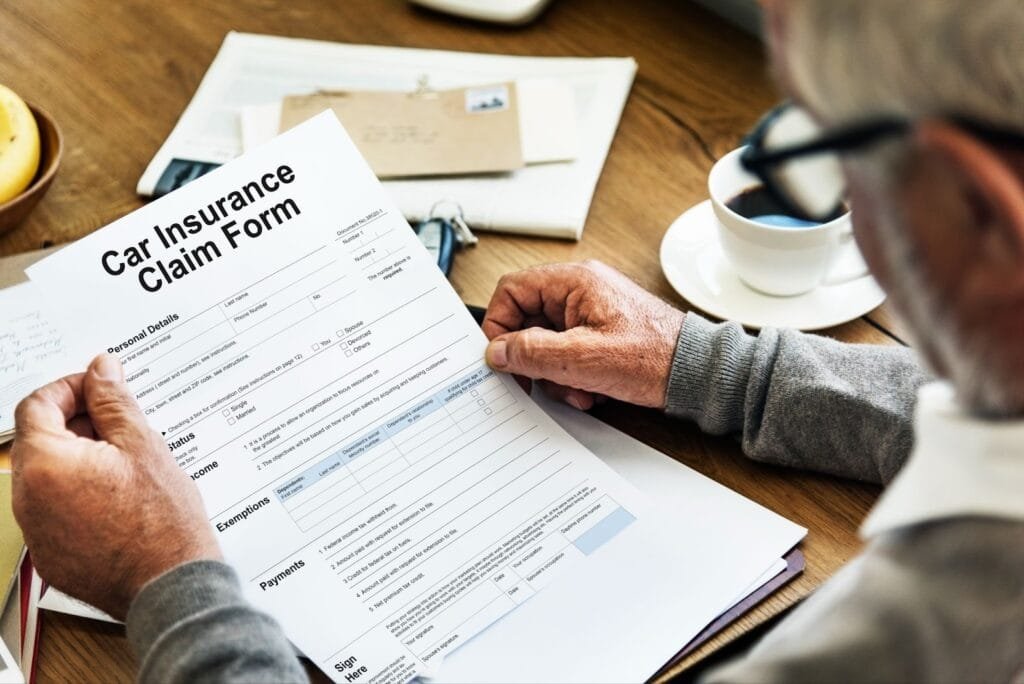
Even though the claim is made through your own insurer, UM/UIM claims can become contested—especially when there’s disagreement about fault, injuries, treatment, or coverage terms.
Common issues include:
This is why it’s important to be careful about what you say and sign before your medical outlook is clear.
Not in every case. But legal guidance can help when coverage is unclear, liability is disputed, injuries are serious, or the insurer delays or undervalues the claim.
It can be especially helpful if:
A lawyer can review the policy, gather proof of damages, and handle communications so the claim stays focused on the facts.
Many Mississippi civil actions fall under a three-year limitations period in Mississippi Code Section 15-1-49, with certain exceptions depending on the circumstances.
UM/UIM claims can also involve policy-based notice requirements, so acting early can help preserve both evidence and coverage.
Call 911, get medical care, document the scene, and notify your insurer promptly. Early documentation often strengthens an uninsured motorist claim.
Yes, but collecting a judgment can be difficult. Many cases focus on UM/UIM coverage as the most practical recovery option.
UM/UIM coverage is designed to provide benefits when the at-fault driver is uninsured, underinsured, or can’t be identified in a hit-and-run. Mississippi law requires insurers to offer UM coverage and sets rules for how it can be rejected.
If UM/UIM coverage is in force, it may. The Mississippi Insurance Department explains that UM/UIM protection is intended to help when an uninsured driver causes a crash or leaves the scene.
Not always, but it can help if coverage is disputed, the insurer delays or denies the claim, or your injuries involve long-term treatment and higher damages.
Don’t wait until you’re stuck paying out of pocket for a crash you didn’t cause. If you were injured by an uninsured driver or hurt in a hit-and-run anywhere on the Mississippi Gulf Coast, you may still have options through UM/UIM coverage—but timing and documentation matter.
Contact Davis & Davis, PLLC at(228) 275-9922 or request your FREE consultation online today. We’re ready to step in, protect your rights, and start building your uninsured motorist claim the right way.
Did you know that nearly 20% of workers’ comp claims in Mississippi are initially denied, leaving countless injured employees scrambling for answers and resources while bills pile up? If this sounds like your situation, you’re not alone. At Davis & Davis, PLLC, we fight for Mississippi workers who need urgent, aggressive help after a denial—backed by over 65 years of combinedexperience. This guide explains why denials happen, what you can do next, and how our team can stand up for your rights. Don’t let a denial freeze your recovery. Schedule a free consultation today and let us advocate for you.
When your claim is denied, it can feel like the system is stacked against you. Some of the most common reasons include:
For more details on Mississippi’s strict requirements and processes, visit the Mississippi Workers' Compensation Commission.
Yes. A denied claim should never be the end of your fight. Here’s what to expect:
Our 65+ years of combined experience includes guiding hundreds of Mississippi workers through this very process. We offer home and hospital visits, after-hours consultations, and truly aggressive advocacy, because you deserve someone in your corner.
You must act fast after a denial:
Missing these deadlines permanently limits your ability to pursue justice and financial support. For more information, check the Mississippi Workers' Compensation Commission.
Tight and compelling documentation gives your case the best chance:
Judges carefully review each piece, so comprehensive preparation is vital. Our team handles this for you, allowing you to focus on healing. Explore more about our record of results and advocacy on our case results page.
Am I eligible for workers’ compensation in Mississippi?
Most employees injured on the job are eligible if their employer has five or more workers and the injury is work-related.
How long do I have to report an injury at work?
You must notify your employer within 30 days of the injury to maintain your right to benefits.
What happens if my workers’ comp claim is denied?
You can file to contest the denial Petition to Controvert (Form B-5, 11) with the Mississippi Workers' Compensation Commission.
Should I hire a workers’ comp attorney?
Yes, especially if your claim was denied or is complex. An attorney can protect your rights and help maximize your compensation.
When your claim is denied, having power on your side is crucial. Davis & Davis, PLLC is known for:
We handle every detail, from evidence gathering to court hearings, so you can focus on recovery. Visit our Workers’ Compensation page and contact us now.
A denied workers’ compensation claim can create serious stress, but it’s not the end of the road. With the right legal strategy, you can challenge the denial, present strong evidence, and pursue the financial support you’re entitled to under Mississippi law. At Davis & Davis, PLLC, we’ve helped injured workers across Mississippi protect their rights and move forward with confidence.Contact Davis & Davis, PLLC today at (228) 275-9922 for a FREE Workers’ Compensation Consultation, and take the first step toward resolution, recovery, and peace of mind.
Unexpected falls caused by broken stairs, loose tiles, or unsafe flooring can cause more than embarrassment. These accidents often lead to severe injuries, mounting medical bills, and uncertainty about what to do next. In Mississippi, property owners have a legal responsibility to maintain safe premises for guests and customers. If you’ve been injured due to hazardous conditions, you may be entitled to compensation.
With over 25 years serving Biloxi and the Gulf Coast, Davis & Davis, PLLC has the experience and dedication needed to guide clients through the legal process and fight for the compensation they deserve after a slip and fall injury.
Slip and fall injuries are more common and more serious than many people think. According to the U.S. Centers for Disease Control and Prevention (CDC), falls are the leading cause of injury for older adults. About 37% of reported falls result in injuries serious enough to require medical care or limit daily activities.
Under Mississippi premises liability law, a dangerous condition includes any hazard the property owner knew or should have known about and failed to address. Common hazardous conditions include:
According to the Mississippi Landowners Protection Act, commercial and residential property owners are required to take reasonable steps to maintain safe premises. This includes regular inspections, timely repairs, and visible warnings.

Yes. If you’re hurt because a property owner failed to fix or warn you about a hazardous condition, such as broken stairs, uneven walkways, or slippery tile, you may have grounds for a premises liability claim in Mississippi.
Common scenarios where claims arise include:
Successful claims often result in compensation for:
For an example of how Mississippi courts evaluate liability in slip and fall cases, see this recent Court of Appeals decision.
Slip and fall accidents can cause more than scrapes or bruises. Many victims suffer serious, sometimes life-altering, injuries. These may include:
These injuries may require ongoing treatment such as surgery, physical therapy, or assistive devices.
To win a slip and fall claim, you must establish that the property owner was negligent. Mississippi law requires that you prove:
If you suffered a fall in a Biloxi store, restaurant, hotel, or other public place, collect the following evidence immediately:
For an in-depth look at liability and standards of proof, review Justia Law’s Slip and Fall Accident Law Guide
Your actions in the minutes and days after a fall can affect your ability to recover compensation. Here's what to do:
The earlier you act, the better your chance of preserving crucial evidence and protecting your rights.
At Davis & Davis, PLLC, we know how overwhelming a serious fall can be. Our team works directly with clients to:
Whether your fall occurred at a retail store, workplace, or public sidewalk, our experienced attorneys will fight to secure what you deserve.
Can I sue for a fall in a business or public place?
Yes. Business owners and managers have a legal obligation to keep their property safe for customers.
How long do I have to file a claim?
In Mississippi, the statute of limitations for personal injury claims is three years from the date of the incident. It’s best to speak with an attorney as soon as possible.
How do I schedule a free consultation?
Visit our contact page or call (228) 275-9922 for a free consultation.
A slip and fall injury can throw your life off balance, but it doesn't have to derail your future. With the right legal guidance, you can recover compensation, hold negligent property owners accountable, and move forward with confidence. Davis & Davis, PLLC is here to help Mississippi residents make informed, confident decisions after a fall injury caused by unsafe conditions.
Contact Davis & Davis, PLLC today at (228) 275-9922 for a FREE Slip and Fall Consultation, and take the first step toward healing, justice, and financial recovery.
Losing a loved one is heartbreaking, especially when it's due to someone else's negligence. In Mississippi, wrongful death settlements help families seek justice and financial relief. At Davis & Davis, PLLC, we’ve spent over 25 years supporting grieving families across Biloxi and the Gulf Coast. With over 65 years of combined experience, our attorneys aggressively pursue accountability in cases involving accidents, malpractice, workplace injuries, and other related matters.
This 2025 guide walks Mississippi families through what to expect in a wrongful death claim, including average settlements, legal timelines, damages you may recover, and how our firm helps you seek justice.
There’s no standard payout. Mississippi wrongful death lawsuit settlements range from thousands to millions of dollars, depending on the facts of the case.
Our firm has secured wrongful death verdicts of up to $5 million. Factors that influence settlement value include:
Each case is unique. Consult a wrongful death attorney to guide you through your case.
In Mississippi, families can recover economic and non-economic damages, including:
Economic damages:
Non-economic damages:
In particularly egregious cases, courts may also award punitive damages to deter similar misconduct in the future. While not guaranteed, these may apply in instances of gross negligence or reckless behavior.
Most cases resolve between 12 to 36 months, depending on complexity. Several factors can speed up or delay the process:
Mississippi’s wrongful death statute of limitations gives families three years from the date of death. For intentional acts, the limit may be shorter. Act quickly to preserve evidence and your right to compensation.
In general, wrongful death compensation is not taxable under IRS rules, including:
However, punitive damages and interest earned on settlement funds may be considered taxable income. For more information, refer to IRS Publication 4345.
Yes. Punitive damages can increase the total settlement when the responsible party acted with gross negligence or intentional harm. In Mississippi, punitive damages are calculated based on the defendant’s net worth and other factors that are subject to caps under Mississippi Code §11-1-65.
These damages are often awarded in cases involving:
Under Mississippi law, wrongful death claims may be filed by:
These rules are set forth in Mississippi Code §11-7-13, which outlines who has legal standing and the damages they may pursue.
This statute also establishes a three-year statute of limitations for filing most claims, and a one-year limit for cases involving intentional harm. Settlement values depend heavily on each case’s specific facts.
In our Biloxi wrongful death practice, the most common causes include:
These tragic incidents often stem from preventable mistakes, and our job is to ensure responsible parties are held legally and financially accountable.
Yes. Choosing a local Mississippi wrongful death attorney like Davis & Davis can significantly impact your settlement.
Why local matters:
We’ve handled thousands of personal injury and wrongful death cases across the Mississippi Gulf Coast. We know what it takes to win here.
What is a wrongful death claim in Biloxi, Mississippi?
A wrongful death claim is a legal action filed by surviving family members or representatives of the deceased’s estate when a person dies due to another party’s negligence or misconduct.
How long do I have to file a wrongful death lawsuit in Mississippi?
In most cases, the statute of limitations is three years from the date of the deceased’s death.
What damages can I recover?
Recoverable damages may include medical expenses, funeral costs, loss of income, pain and suffering, and loss of companionship. Punitive damages may also apply in extreme cases.
At Davis & Davis, PLLC, we combine aggressive advocacy with client-centered service to deliver results that honor your family’s loss. Losing a loved one is never easy, but securing justice can offer peace of mind and financial relief.
If you are considering a wrongful death lawsuit in Mississippi, contact Davis & Davis, PLLC today at (228) 275-9922 for a FREE Wrongful Death Consultation, and let’s discuss how we can help you move forward.
As summer kicks into full swing, Mississippi’s highways and backroads fill with vacationers, weekend travelers, and families on road trips. But this increase in traffic comes with a sobering reality: the time between Memorial Day and Labor Day is known as the “100 Deadliest Days” on U.S. roads. Distracted driving plays a significant role in this seasonal spike in accidents.
If you or a loved one is involved in a crash caused by a distracted driver this summer, it’s important to know your rights and the steps to take. In this guide, we’ll break down the causes of distracted driving, what Mississippi law says, and how Davis & Davis PLLC can help you seek compensation if you’re injured.
Summer means more people on the road, especially younger, less experienced drivers. The Federal Motor Carrier Safety Administration (FMCSA) notes that teen drivers are particularly at risk during the “100 Deadliest Days.”
With school out, road trips more frequent, and cars often packed with passengers, the likelihood of distraction increases. Nearly 60% of drivers talk on the phone while driving, and almost half send or read texts. Many also adjust GPS settings, eat behind the wheel, or use mobile apps—behaviors that significantly increase the risk of a serious crash.
Distracted driving can be visual, manual, or cognitive, meaning it involves taking your eyes off the road, your hands off the wheel, or your mind off the task of driving. During summer travel, these distractions become even more frequent and dangerous.
Some of the most common include:
Even hands-free phone use can reduce focus. Mississippi law prohibits texting while driving, and interacting with a GPS may still be considered negligent if it contributes to a crash.
Yes. While Mississippi doesn’t ban all GPS use, manually inputting directions while driving is considered a distraction. If a crash results, this behavior may serve as evidence of negligence in a personal injury claim.
Long road trips and irregular sleep schedules are common during summer, increasing the risk of drowsy driving. Drowsy driving mirrors many effects of drunk driving, including slower reaction times and poor judgment.
Taking the right steps immediately after a crash can strengthen your case:
If you’ve been injured in a distracted driving crash in Mississippi, you may be entitled to compensation for:
The amount you can recover depends on the specifics of your case, but working with an attorney ensures that all categories of loss are properly calculated.
At Davis & Davis, PLLC, we understand the challenges that follow a summer travel accident. Our Biloxi-based attorneys bring over 55 years of combined experience to every case and have a proven track record of holding negligent drivers accountable.
We will:
We are available for home and hospital visits, offer weekend and after-hours consultations, and prioritize your recovery.
Can I sue a distracted driver without a police citation?
Yes. A civil claim doesn’t require the other driver to be ticketed—only that you can prove they acted negligently.
Is using a GPS considered distracted driving in Mississippi?
In some cases, yes. If a driver is manually entering directions or taking their attention off the road, it may be considered distracted driving and used to prove negligence.
How can a personal injury attorney help after a distracted driving crash?
An attorney can handle evidence collection, negotiate with insurers, and pursue full compensation in court if needed.
If you’ve been injured by a distracted driver in Mississippi this summer, the experienced attorneys at Davis & Davis, PLLC are here to help. We offer aggressive representation and client-focused service from the moment you call.
Contact Davis & Davis, PLLC today at (228) 275-9922 for a free consultation, and let’s discuss how we can help you move forward after a distracted driving accident